



seo article samples are more than keyword-stuffed pages. They’re content purposefully built to match search intent, demonstrate E-E-A-T, and earn traffic from both classic search engines and AI-powered tools. In practice, that means structuring information so that Google can rank it and AI models can cite it easily—making these samples a repeatable blueprint for creating content that ranks.
Contents
- What Makes a True SEO Article Sample? More Than Just Keywords
- The Complete, Annotated SEO Article Sample (Fill-in-the-Blanks Template)
- How to Build Content Around the QRIES Framework
- Tailoring Your Article Structure to Different Search Intents
- Optimizing Your SEO Sample for AI Visibility (GEO)
- SEO Article Sample for B2B SaaS: Connecting Content to Revenue
- Conclusion
- FAQ
What Makes a True SEO Article Sample? More Than Just Keywords
An seo article sample sets the standard for balancing reader value, search engine friendliness, and AI-ready clarity. It’s not about stuffing keywords into paragraphs. A quality sample shows how to weave in Search Intent, E-E-A-T (Experience, Expertise, Authoritativeness, Trustworthiness), and Generative Engine Optimization (GEO) without overdoing it.
Search has changed. AI search traffic can convert at rates up to 7%, while traditional Google search sits around 1-2%, according to Zoe Ashbridge at HubSpot. That makes content optimized for both channels far more valuable.
Don’t let low-quality competitors fool you. Ben Goodey, founder of Spicy Margarita Content, points out: “People often look at the state of other content on Google and think, ‘Oh, great, mine doesn’t have to be interesting, unique, or spicy in any way.’ But lowering your bar for quality when it comes to SEO is a big no in my book.”
A modern seo article sample moves from being a keyword container to a multi-signal asset. It signals relevance to search engines, delivers real value to readers, and organizes information so AI models can parse and cite it easily.
The Shift from Text to Multi-Signal Assets
A multi-signal asset operates across three layers at once. The content layer answers user questions with depth and originality. The technical layer makes sure search engines can crawl and index the page without hiccups. The authority layer earns credibility through cited sources, expert voices, and original data.

Why does this matter? AI systems like Google’s AI Overviews and ChatGPT pull individual passages from articles—they don’t evaluate whole pages. A well-structured sample makes sure each section can stand on its own as a citable source. The aim isn’t just to rank for one keyword. It’s to become the go‑to reference that both search engines and AI models cite across an entire topic.
The Complete, Annotated SEO Article Sample (Fill-in-the-Blanks Template)
A major advantage for any content strategist is getting a complete, annotated article structure that explains why each part matters—a template you can actually use. This section gives you exactly that.
The need for this template comes from research by Seer Interactive. They found a strong recency bias in Large Language Models: 79% of AI crawler visits hit content published within the last two years. Freshness isn’t a nice-to-have—it’s a structural requirement.
Every part of the following sample is annotated to show what it does for Google’s ranking algorithms and for the AI crawlers that power tools like ChatGPT, Gemini, and Perplexity.
H1 and Meta Description Blueprint
Your H1 needs to include the primary keyword and signal what readers will get. A title like “SEO Article Samples: A Blueprint for Ranking in the AI Era” tells both search engines and users exactly what the page is about right away.
Putting your main keyword at the front matters. Backlinko proves this with their SEO Checklist page. Built around the term “SEO checklist,” that one page ranks for 476 different keywords, according to Semrush’s Organic Rankings Tool. They didn’t optimize for 476 terms—Google just understood the topical depth from that single focus.
The meta description should build on the H1, not repeat it. It previews what readers gain and includes the primary keyword or a close variation. Although meta descriptions aren’t a direct ranking factor, a well-written one can boost click-through rates. HubSpot’s SEO resources note that while meta descriptions don’t directly affect rankings, they strongly influence whether someone clicks.
The Body Structure: Aligning with Search Intent
Your article’s body needs to mirror search intent precisely. Ben Goodey puts it this way: “Search intent is the reason behind the user’s search term, and if your content doesn’t match that reason, it’s very unlikely it will rank highly in Google.”
A template for informational intent follows this pattern:
- TL;DR Section (100-150 words): Answer the core question right away. This acts as the “direct answer” that AI Overviews and featured snippets pull. Use short, clear sentences.
- H2 Sections for Subtopic Coverage: Each H2 tackles a specific piece of the main topic. AI models use them as entry points by breaking queries into sub-topics before retrieving information.
- Body Paragraphs: Start with the answer or main finding, then back it up. Keep paragraphs to 2–4 sentences. Bold key stats and entity names so both readers and AI can spot what matters.
- Examples and Data Points: Include sourced statistics, named examples, and clear frameworks. Vague statements rarely get cited.
Adding E-E-A-T Signals to Your Sample
E-E-A-T signals should be woven into the article itself—not stuffed into the author bio. Experience shows up when you prove you know the topic firsthand: use specific examples, show your process, skip the generic summaries.
You demonstrate expertise by using industry terms correctly, citing credible sources, and going deeper than surface-level info. HubSpot’s SEO strategy guide stresses that AI search optimization demands clear answers, strong structure, entity-rich language, and sourcing you can trust.
Authoritativeness grows through outside recognition. Links from trusted sites signal credibility to search engines. Even unlinked brand mentions now help—especially for AI visibility. A mention on a credible third-party site can be all it takes to show up in AI search results.
Trustworthiness comes from accuracy, being upfront about your sources, and keeping information current. Always show publication dates clearly and update pages regularly so they stay relevant.
How to Build Content Around the QRIES Framework
Many of you also want the nuts-and-bolts method for creating seo article samples. That’s where the QRIES framework comes in—Quotes, Research, Images, Examples, Statistics. Built by Backlinko, it ensures your content includes the precise elements search engines and AI models look for when choosing sources.
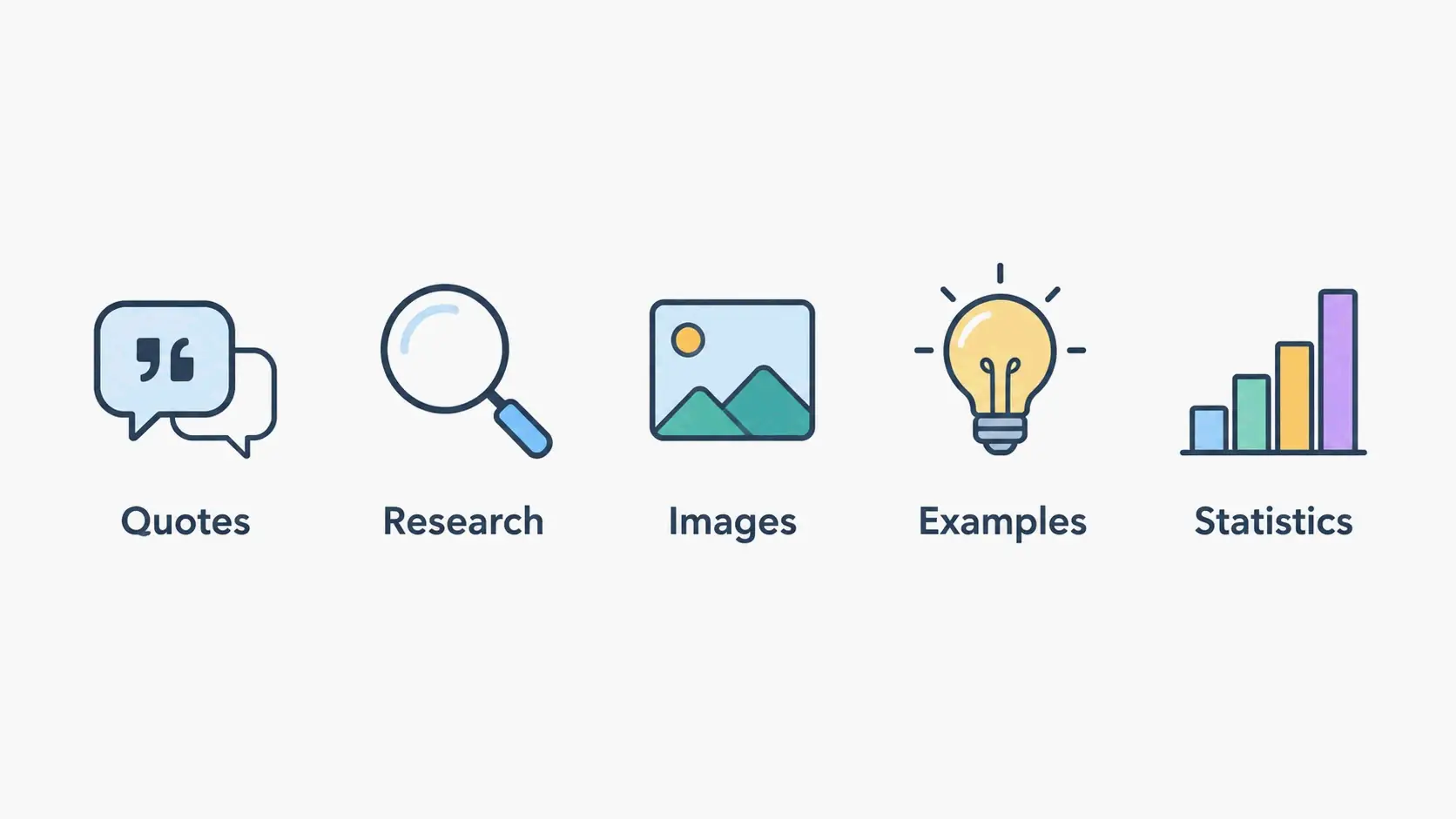
AI models—including Google’s AI Overviews—pull from content that packs in these elements. Research from Seer Interactive backs this up: content featuring original data, named sources, and clear structure is more likely to appear in AI-generated answers.
Quotes and Research: The E-E-A-T Base
Quotes from known experts add authority and set your content apart from generic AI summaries. Mersudin Forbes, a portfolio SEO director with 15 years of experience, advises: “When it comes to thinking about a mobile strategy for SEO, it is important to think about how a user is seeking to complete their desired transaction and ensuring that this matches their expectations on mobile.”
Solid research is the backbone of credible content. That means original studies, third-party data, and peer-reviewed sources—not just opinions. Every major claim needs a reference. Search engines assess quality through the E-E-A-T lens, and articles built on good research send strong signals of both expertise and trust.
Citing sources does two jobs. For Google’s ranking algorithms, it shows your content rests on facts, not guesswork. For AI models stitching answers together from many sources, clearly attributed data points are easy to grab and cite.
Examples and Statistics: The Differentiation Engine
Examples turn vague ideas into real understanding. Content that describes principles without showing them in action rarely gets noticed. A strong seo article sample includes specific use cases, names real companies, and paints scenarios readers can relate to.
Statistics supply the proof that makes content shareable and citable. HubSpot reports that AI search traffic converts at up to 7%, compared to just 1–2% for traditional search. Specific, sourced data points like that get referenced by other writers and picked up by AI systems.
Examples plus statistics signal comprehensive coverage to search engines. Instead of just making claims, you show the proof. This matches what Google’s Search Quality Rater Guidelines look for: pages that offer original information, reporting, research, or analysis get higher quality marks.
Tailoring Your Article Structure to Different Search Intents
One oversight in many content strategies is forgetting to adapt structure to search intent. A template that works for an informational query won’t help much for a commercial investigation. This section lays out a content-intent blueprint to fix that.
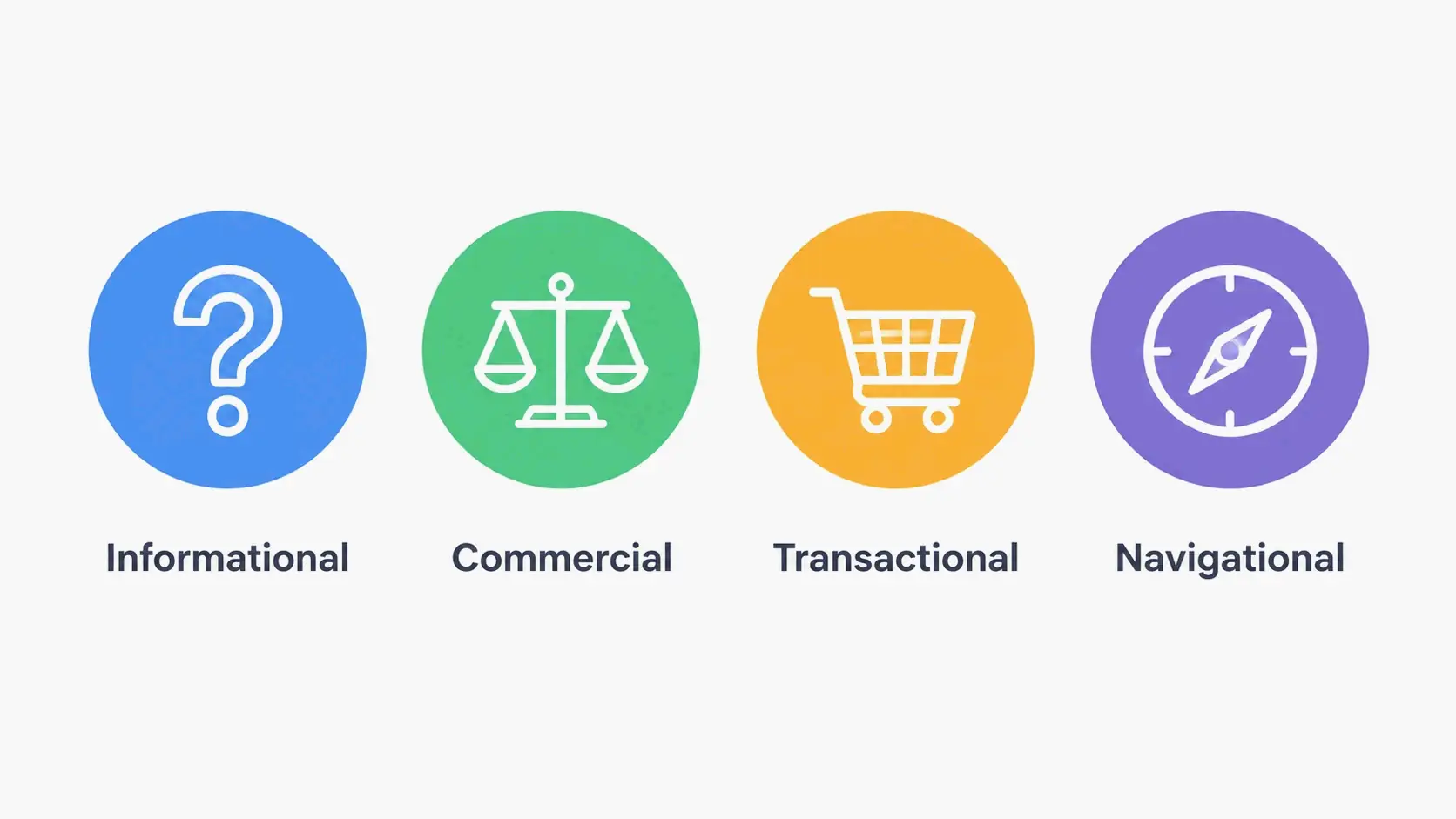
Search intent splits into four main types, each needing its own structure: informational (seeking knowledge), commercial (comparing options), transactional (ready to act), and navigational (looking for a specific page). Your article’s structure has to match what the user expects.
Informational Intent: The Inverted Pyramid in Action
Informational content works best with the inverted pyramid: give the answer first, then back it up with detail, and finally add broader context. This fits because users just want answers fast—they’re learning, not shopping.
The TL;DR section sits at the pyramid’s peak, delivering the takeaway right away. That satisfies skimmers and the AI systems that lift direct answers. The H2 sections then break the topic into smaller subtopics, each tackling one aspect of the larger question.
Google’s own guidance backs this up. As Search Engine Journal reports, Google says that to survive in AI search, publishers need to create content people genuinely want to read. That means clarity and usefulness trump word count or keyword density.
Commercial & Transactional Intent: A Micro-Sample
Commercial intent demands a different setup. Someone searching for “best SEO tools” or “SEO software comparison” is weighing options. Your content needs to help them compare, not just inform.
A commercial seo article sample starts with a quick summary of the top picks, then dives into a detailed breakdown of each. Comparison tables, pricing, and use‑case scenarios become must‑have elements. The inverted pyramid shifts a bit: recommendations come early, but the overall flow should guide the reader toward a decision, not just deliver facts.
Transactional pages—like product or service pages—follow another pattern. The headline states exactly what’s offered. The body tackles objections, frames features as benefits, and paints a clear conversion path. CTAs should be specific: “Start free trial” works differently than “Learn more.”
Optimizing Your SEO Sample for AI Visibility (GEO)
Optimizing for AI visibility isn’t optional anymore—it’s essential. Search Engine Land reports that 60% of Google searches end without a click, with users getting answers right from AI summaries or featured snippets. That makes generative engine optimization (GEO) a key traffic driver.
Three tactics sit at the heart of AI visibility optimization. First, write in short, declarative sentences that state facts plainly. AI models pull standalone passages, so each sentence needs to work on its own.
Second, build your content with clear H2 and H3 headings that answer questions head-on. If a heading asks or implies a question, the content right below should give the answer right away. AI systems use headings to understand your structure and pull relevant sections for sub-queries.
Third, bold key statistics and entity names. That simple formatting cue helps AI parsers spot the most important bits. Backlinko does this across their content, using bold text to flag crucial data and takeaways.
Structuring Content for SGE and AI Overviews
AI Overviews and similar features pull content from pages with clear, logical architecture. Aim to make each section a standalone answer to a specific sub-question.
That means starting each section with a direct answer, then adding explanation and evidence. The old narrative buildup—where you save the reveal for the end—just doesn’t work for AI visibility. Instead, put the conclusion right in the first sentence of every H2 section.
Authority signals matter even more for AI visibility. HubSpot’s AEO research suggests AI systems pick sources based on a steady brand presence, credible backlinks, and accurate info. Content that shows up in AI answers usually comes from sources that have built topical authority through consistent, high‑quality publishing on that subject.
Recency is a big deal too. That Seer Interactive study showed 79% of AI crawler hits go to content from the last two years. Refreshing content regularly isn’t optional—it decides whether your pages stay eligible for AI citation.
SEO Article Sample for B2B SaaS: Connecting Content to Revenue
B2B SaaS companies have a content balancing act: educate readers while also supporting the buying journey, knowing that not all traffic is equally valuable. A tailored seo article sample for SaaS inserts a product‑led middle section that bridges education and conversion.
You still need to lead with information. People evaluating software need real guidance before they’re ready to hear about specific products. But you can build a natural path toward product discovery that doesn’t feel like a pitch.
The Product-Led Content Middle
The product‑led middle integrates product awareness into educational material by swapping generic examples for SaaS‑specific use cases. Instead of abstract scenarios, mention real user roles, everyday workflow problems, and the measurable results your product delivers.
This part of the article should also tackle buyer objections head‑on by openly discussing limitations, pricing, and implementation needs. Content that honestly weighs tradeoffs builds far more trust than content that pretends the product is the perfect answer for everyone.
Revenue comes from relevance. When you target keywords with commercial or transactional intent—comparison queries, alternative searches, and “best” investigations—you reach people actively evaluating a purchase. Nathan Ojaokomo, a B2B SaaS content writer, points out that specialists in this space know the difference between traffic and buying intent. The article has to help readers compare options, weigh tradeoffs, and move toward a decision.
Conclusion
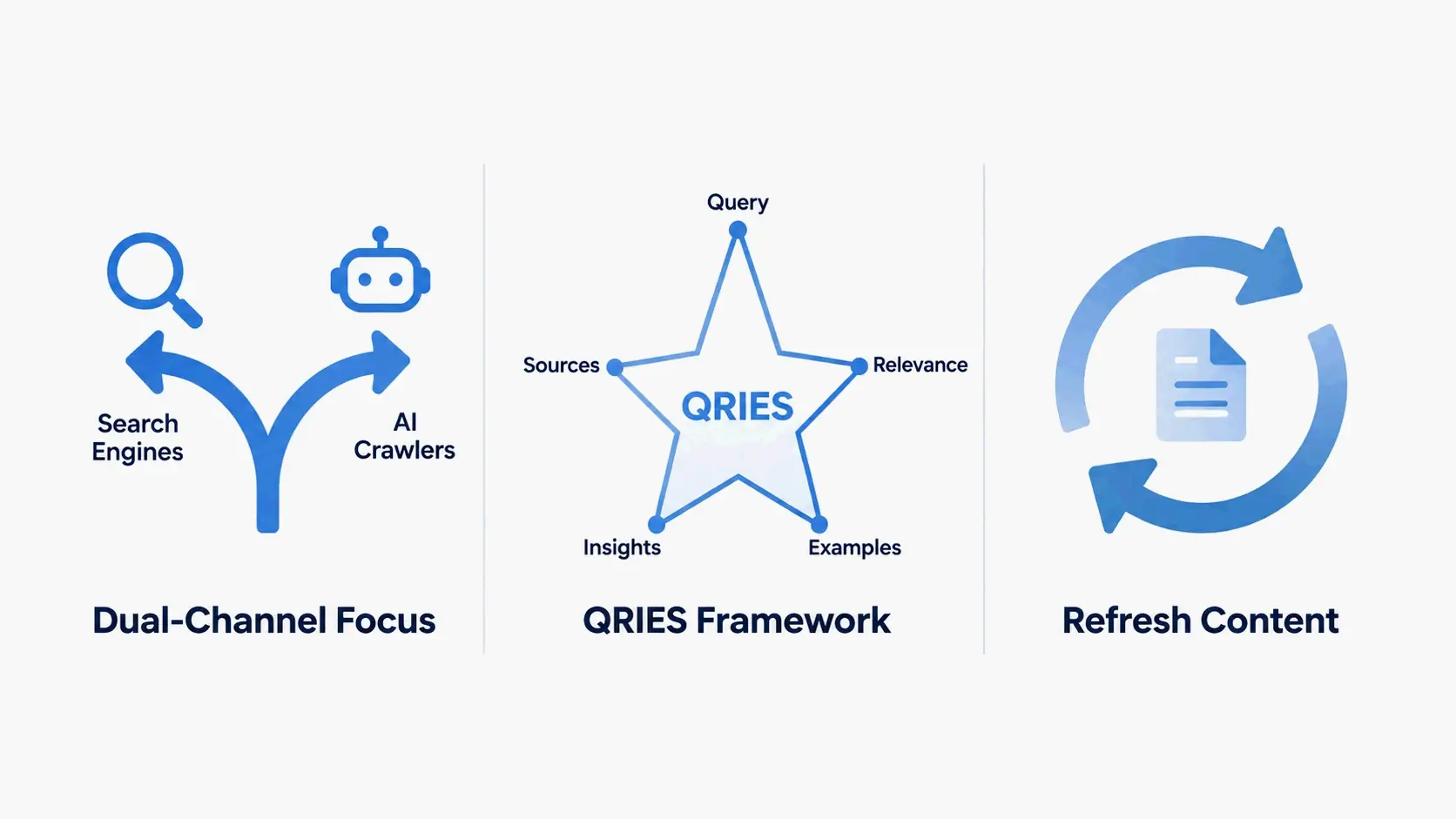
The best seo article samples in 2026 act as strategic blueprints, blending human expertise with machine readability. They satisfy search intent fast through clear structure, prove E‑E‑A‑T with verifiable sources and original thinking, and format information so both traditional engines and AI models can find, parse, and cite passages. This dual‑channel focus is no longer optional—with 60% of searches going click‑free and AI‑driven referrals on the rise, your content has to perform everywhere. For your next article, lean on the QRIES framework: start by nailing search intent with a tight structure, then fold in your own data and experience. And whenever you can, refresh existing content before writing new pieces—AI crawlers have a clear preference for recently updated material.
FAQ
What does an SEO optimized article look like in 2026?
An SEO-optimized article in 2026 is a well‑structured piece that answers a specific query right away with a TL;DR section, comes from a clear expert, and uses easy‑to‑scan H2 and H3 headings. It includes proprietary data, expert quotes, and uses formatting that AI can parse and cite—think short paragraphs and bolded key entities that stand out for both readers and machines.
How long should an SEO article be to rank on Google?
There’s no fixed word count for ranking on Google. But the article needs to be thorough enough to fully satisfy search intent. Most high‑performing informational articles in 2026 fall between 3,000 and 4,500 words. Still, quality, depth, and clear structure outweigh raw length. Cover the topic completely without fluff or repetition.
How do I write content that gets cited by AI like ChatGPT or Google’s AI Overviews?
Adopt a recency‑first mindset: cite recent stats and sources. Use a clear Q&A flow in your H2 and H3 headings so AI models can spot relevant sections easily. Support every major claim with a named source or specific data point. The Backlinko QRIES framework—Quotes, Research, Images, Examples, Statistics—gives you a proven blueprint for creating content AI systems are more likely to reference.
