

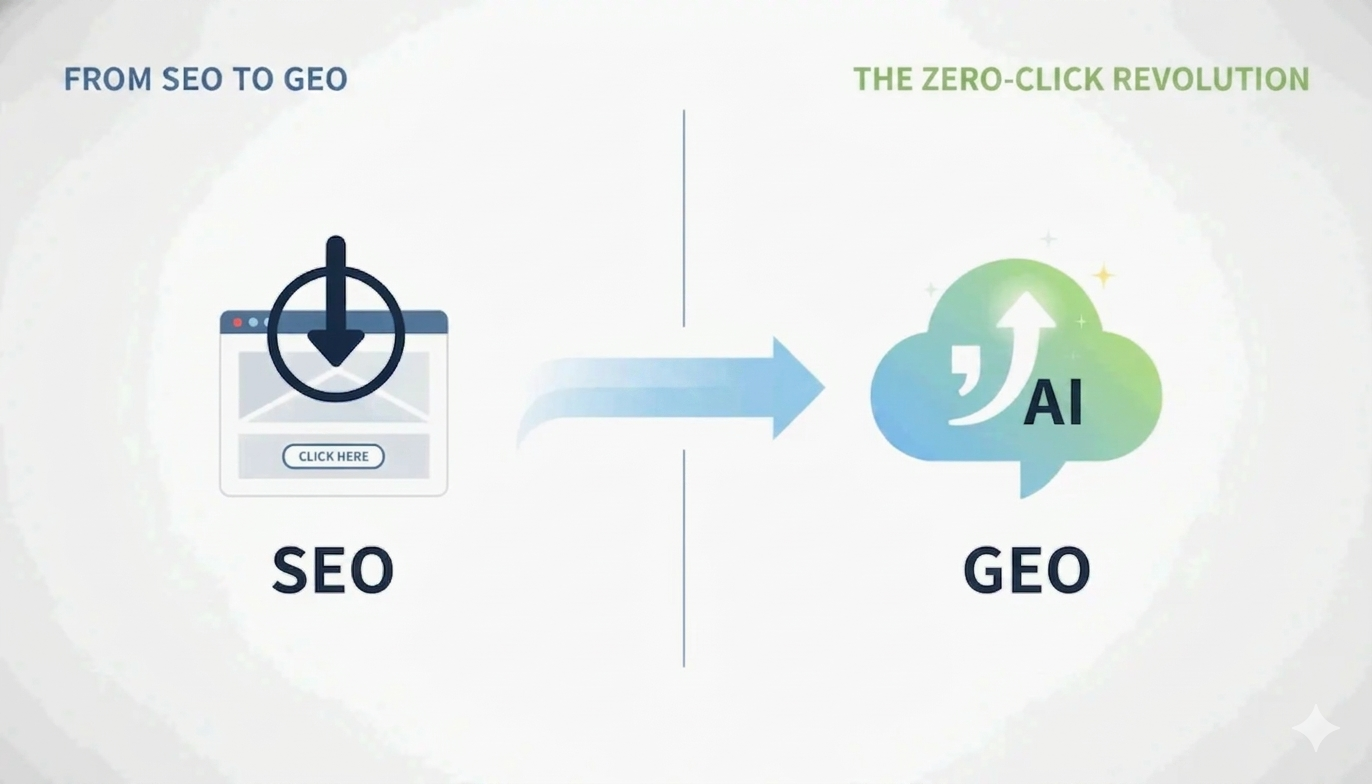

For media and publishers, GEO (Generative Engine Optimization) means structuring content and building authority so AI tools cite your brand in their answers. It’s about getting mentioned inside the AI response, not just showing up as a link. For the core GEO framework, see our GEO for SaaS: Complete Playbook.
Contents
- What Is GEO for Media & Publishers? The New Currency of AI Visibility
- Why Publishers Must Act Now: The Data Behind the Shift
- The Publishing GEO Health Check: A 5‑Step Audit for AI Citations
- GEO vs. SEO: What’s Different for Publishers?
- Monetizing Content in the AI Era: Microsoft Publisher Marketplace, Future Optic, and Beyond
- Building Your Future Traffic Mix: SEO, GEO, PPC, and Owned Channels
- Measuring GEO Success: From Brand Mentions to Business Value
- Conclusion
- FAQ
What Is GEO for Media & Publishers? The New Currency of AI Visibility
Generative Engine Optimization (GEO) is the practice of making your brand visible in responses from AI tools like ChatGPT, Google Gemini, Perplexity, and Microsoft Copilot. For media and publishers, this shifts the focus: instead of ranking on a search results page, you’re aiming to be cited within an AI-generated answer.
Traditional SEO chased clicks. GEO chases citations. When someone asks an AI tool “What’s the latest on climate policy?” or “Which news sources are most reliable for tech coverage?” GEO determines whether your publication’s content appears in that answer. That’s a fundamental difference: SEO drives traffic to your site; GEO puts your brand into the conversation itself.
A 2026 report from Foundation Labs and AirOps looked at 57.2 million AI citations across five major platforms. Only 2.2% of those citations pointed to content owned by the brand itself. And in 85% of the responses, no brand-owned source appeared at all. So publishers can’t rely on their own content alone to get cited. The game depends heavily on third-party mentions, earned media, and authority signals coming from outside your own site.
The Zero‑Click Crisis That Made GEO Essential
The urgency behind GEO traces directly to the rise of zero-click search. A Similarweb report from 2025 found that zero-click searches—where users get their answer from an AI summary without visiting any website—jumped from 56% to 69% between May 2024 and May 2025. That happened right as Google’s AI Overviews rolled out.
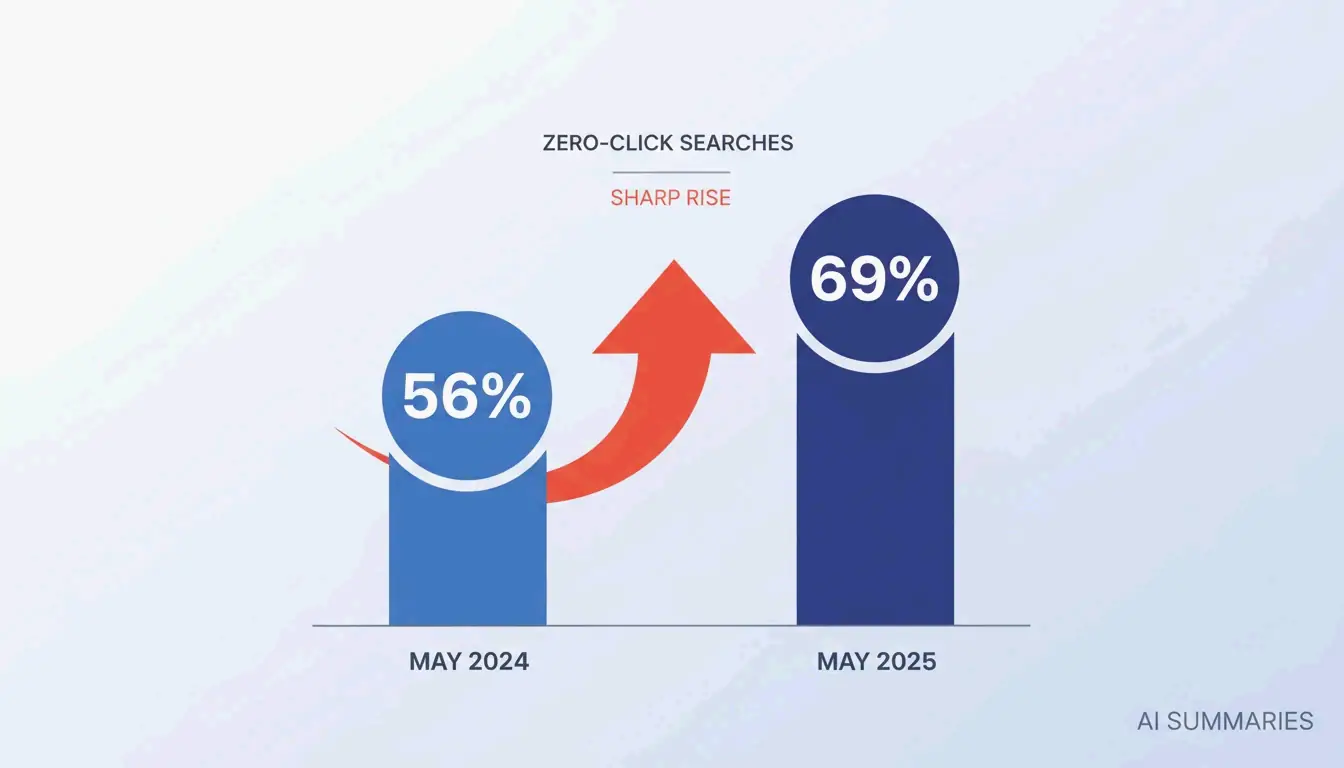
For publishers, nearly 70% of searches now end without a single click to a website. The traffic that once fueled ad revenue and subscription growth is being captured at the AI response level. If you fail to secure citations inside those AI-generated answers, you’re losing visibility entirely, not just a click.
How AI Models Decide Which Publisher to Cite
AI retrieval systems prioritize sources based on authority signals, not just keyword matches. They cross-reference information across multiple sources, weight citations from established publications more heavily, and favor content structured for machine readability.
The key factors include: domain authority and backlink profiles; frequency of third-party mentions (especially on Wikipedia, Reddit, and industry publications); structured data and schema markup; and content that directly answers specific questions in clear, extractable formats. Publishers that optimize for these signals gain a big advantage in AI citation rates.
Why Publishers Must Act Now: The Data Behind the Shift
The evidence that publishers can’t afford to wait is coming from multiple directions.
The zero-click search rate jumping from 56% to 69% (Similarweb, 2025) signals a structural change in how people find information. More critically, the trend is clear: AI Overviews are expanding, and adoption of AI search tools is speeding up.
Roger Lynch, CEO of Condé Nast (publisher of Vogue, The New Yorker, GQ, and Architectural Digest), told his teams to plan as if organic search traffic were zero. As reported by Foundation Labs, Lynch said: “Last year I told our teams to assume there’s no (organic) search. You have to have your business planned as if search is zero. We don’t expect it to be zero. But we, you know, bank on it. We expect it to be a single digit percentage of our traffic. Very low.”
His reasoning came from a pattern Condé Nast had watched play out over three years. Every year they forecast organic search declines. Every year, the actual decline was worse than projected.
Yet despite this urgency, most organizations haven’t started tracking their AI visibility. McKinsey’s 2025 AI Discovery Survey found that only 16% of brands systematically track how they appear in AI search results. That gap means late movers face significant risk—and early movers have a window to take the lead.
The Publishing GEO Health Check: A 5‑Step Audit for AI Citations
With only 2.2% of AI citations pointing to brand-owned content (Foundation Labs & AirOps, 2026), publishers need a systematic approach to improve their citation rates. Here’s a five-step audit designed specifically for media organizations.
Step 1: Structure Content for AI Extraction
AI retrieval systems love content that’s immediately usable. Write your introductions as direct answers to the question the article addresses—not as a buildup to it. Use clear subheadings that reflect specific questions users might ask. Include bulleted lists and numbered steps where it makes sense. Add a dedicated FAQ section to key articles. The goal: make the core answer the first thing an AI system encounters.
Step 2: Mark Up Your Articles with Schema
Schema markup tells AI systems what your content means, not just what it says. Apply NewsArticle schema for standard reporting, FAQPage schema for Q&A-style content, and HowTo schema for instructional pieces. Use Article schema with clear author, datePublished, and headline properties. Proper schema markup significantly improves the chances that your content will get extracted for AI responses.
Step 3: Build Earned Media and Third‑Party Authority
As the Foundation Labs and AirOps report shows, most AI citations come from third-party sources, not brand-owned content. So publishers should actively pursue coverage in other established publications, contribute expert commentary to industry outlets, and ensure consistent brand mentions across the web. Every credible third-party mention signals trustworthiness to AI systems.
Step 4: Distribute Content Beyond Your Website
AI systems pull from a wide range of sources, not just publisher websites. Distribute your content on platforms that AI tools frequently cite: Reddit, LinkedIn, industry newsletters, and podcast transcripts. Contribute to relevant discussions on these platforms with links back to your original reporting. Off-platform distribution is one of the most underutilized GEO tactics among publishers today.
Step 5: Continuously Monitor AI Citations
Track where and how your brand appears in AI responses. Use tools like Brandwatch, Meltwater, or specialized AI citation monitors. Manually test with ChatGPT, Perplexity, and Google AI Overviews by asking questions your audience would ask. Monitor not just whether you appear, but how your brand is described and which sources are cited alongside you.
GEO vs. SEO: What’s Different for Publishers?
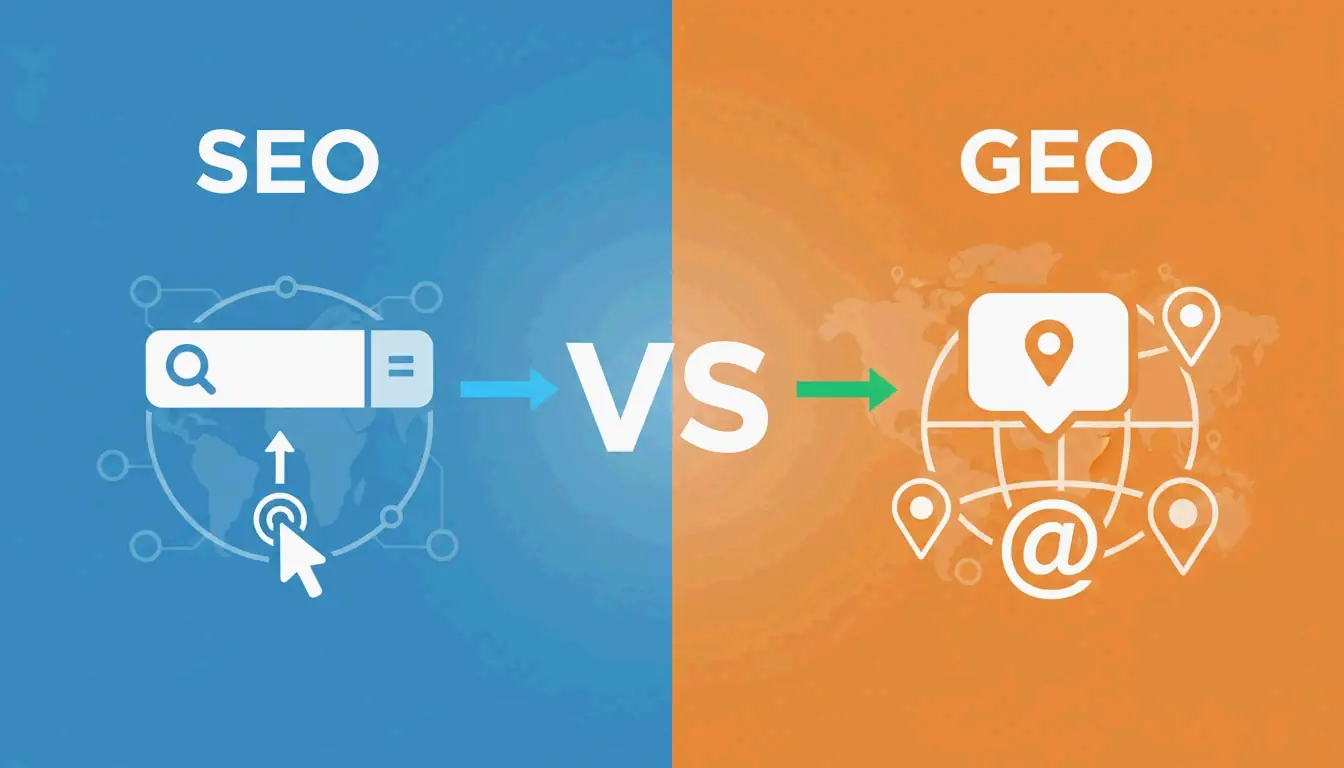
SEO and GEO share a foundation: quality content, credible backlinks, and domain authority. But they optimize for fundamentally different outcomes.
SEO optimizes for clicks.
A user searches a term, sees a list of links, and decides whether to click yours. Success is measured in pageviews, time on page, and conversion rates.
GEO optimizes for citations.
The AI synthesizes an answer and may or may not reference your brand. Most users accept that answer without clicking through. Success is measured in brand mentions within AI responses, regardless of whether a user visits your site.
For publishers, this distinction is existential. The traffic that SEO drives can be monetized through advertising and subscriptions. The citations that GEO drives build brand awareness and authority, but require different monetization models.
The McKinsey finding that only 16% of brands track AI citations highlights a critical measurement gap. Most publishers still measure success through Google Analytics data that captures only the click portion of the user journey. The 69% of zero-click searches are invisible to these systems.
When to Use SEO vs. GEO Tactics
Run both strategies in parallel, but allocate resources based on content type. For breaking news and time-sensitive reporting, SEO still drives immediate traffic. For evergreen content, analysis pieces, and reference articles, prioritize GEO optimization. These are the articles most likely to get extracted for AI responses over time.
Use SEO for content where you need a direct user visit (subscriber acquisition, ad impressions). Use GEO for content where you want brand authority and category leadership, even if the user never clicks through.
Monetizing Content in the AI Era: Microsoft Publisher Marketplace, Future Optic, and Beyond
The question of how to generate revenue from AI visibility is the most pressing challenge for publishers. Several developments in 2025 and 2026 are creating new monetization pathways.
As reported by Tech Funding News in May 2026, Microsoft’s Publisher Marketplace represents a significant shift in how content is valued in generative settings. The marketplace creates a direct content-licensing channel for AI training and responses. Publishers become active participants in a system where content is surfaced, licensed, and distributed in deliberate forms, rather than being passive data sources for AI systems.
The implication: GEO may shift from a purely tactical optimization domain to an infrastructure issue. Publishers may need systems to monitor where their content appears in AI responses, how frequently it is used, which question types trigger it, and what revenue, brand exposure, or referrals result.
How Publishers Are Selling GEO Expertise
Publishers aren’t just optimizing for GEO—they’re selling GEO services to brands. As reported by What’s New in Publishing in April 2026, Future has launched Future Optic, a GEO service that helps brands optimize their visibility in AI responses. Time has followed with its own product, analyzing brand sentiment and using branded content to shape AI-generated answers.
These moves turn GEO from a cost center into a revenue stream. Publishers with strong AI citation track records can package their expertise into consulting services, data products, and content partnerships.
The Role of Community Marketing and Direct Audiences
Condé Nast’s strategy offers a parallel path. As reported by Foundation Labs, after telling his teams to plan for limited organic referrals, Condé Nast invested heavily in community and direct audience relationships. Digital subscription revenue grew 29%, with retention improving even as prices rose.
The lesson for publishers: owned audiences—newsletter subscribers, app users, community members—are a compounding asset in a world where rented traffic (search, social) is decaying. These audiences also generate off-platform signals that AI systems value, as their engagement creates mentions across LinkedIn, Reddit, and other citation sources.
Building Your Future Traffic Mix: SEO, GEO, PPC, and Owned Channels
The historical dependence on organic search traffic is fading. Publishers need a diversified traffic strategy that accounts for the new reality.
Roger Lynch’s directive to assume zero organic search provides a useful planning framework. Run your models assuming organic search drives single-digit percentages of traffic. Then allocate budget accordingly:
- SEO: Maintain for content that still drives direct visits, especially breaking news and service journalism. Reduce investment in commodity content that is being compressed by AI Overviews.
- GEO: Invest in content optimization for AI extraction, schema markup, and earned media that builds authority signals. This is the growth area.
- PPC: Use for brand defense and high-intent queries where traffic still converts to subscriptions.
- Owned channels: Double down on newsletters, apps, and community platforms. These are not subject to algorithm changes or citation competition.
A Sample Traffic Budget for 2027
Based on current trends, a forward-looking budget allocation might look like this: 30% to SEO (down from 50%), 25% to GEO (new allocation), 15% to PPC, and 30% to owned channels (up from 20%). These numbers vary by publisher type and audience, but the overall direction is consistent across the industry.
Measuring GEO Success: From Brand Mentions to Business Value
GEO requires a new set of KPIs that traditional analytics tools don’t capture.
Define citation count as a primary KPI. Track how often your brand appears in AI responses across ChatGPT, Perplexity, Google AI Overviews, and Gemini. Go beyond raw counts to measure citation share—your brand’s appearance rate relative to top competitors.
Build a simple attribution model: article → AI citation → brand awareness → subscription or revenue. Direct attribution is hard, but you can track correlations between increased citation rates and growth in branded search volume, direct traffic, and newsletter signups.
The McKinsey finding that only 16% of brands track AI citations underscores both the gap and the opportunity. Publishers that implement tracking now will have months of data advantage over competitors.
Creating a Simple GEO Attribution Model for Publishers
Start by identifying your top 20 articles by citation frequency across AI platforms. For each article, track: citation count per platform, whether the citation is branded (mentions your publication name) or unbranded, and the question types that trigger each citation.
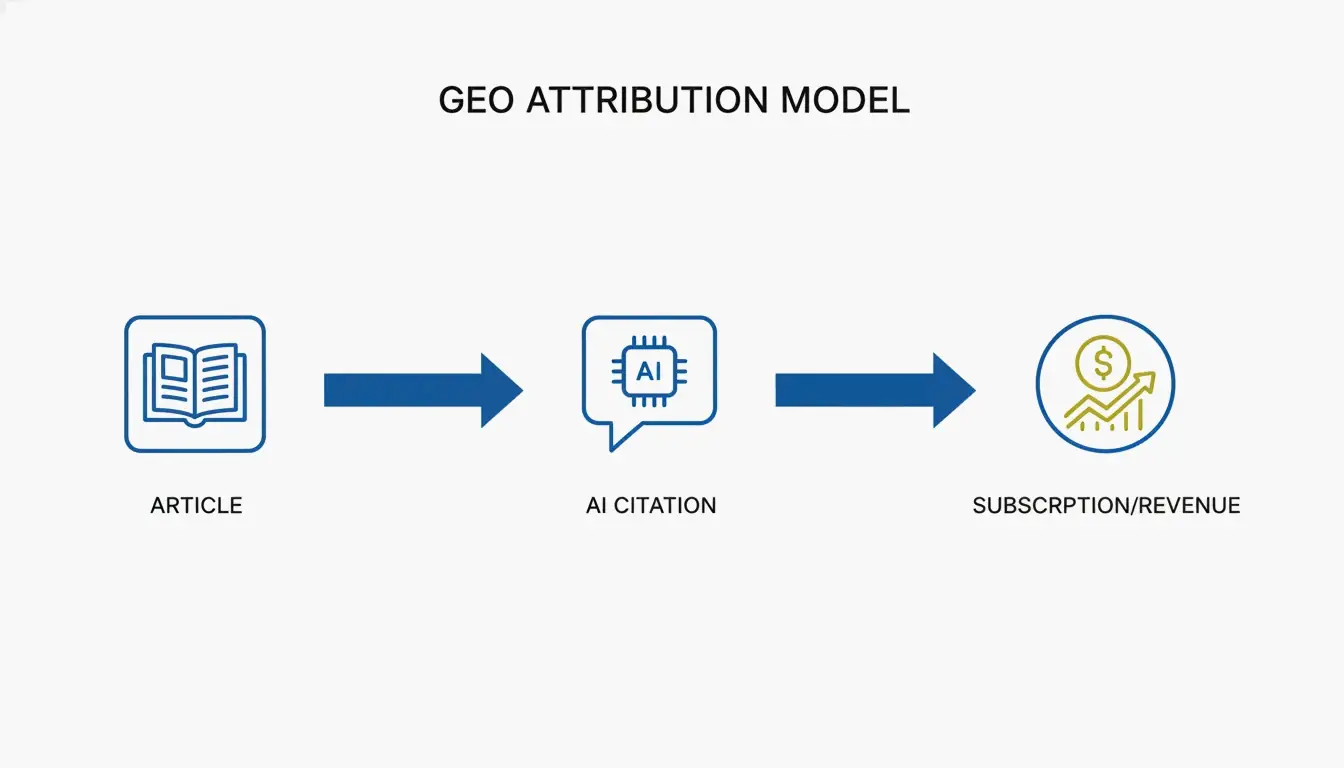
Compare citation data against branded search volume (Google Search Console), direct traffic (Google Analytics), and subscription conversion rates. Look for correlations over 3-6 month periods. This model won’t give you perfect attribution, but it will tell you which content is driving AI visibility and whether that visibility correlates with business outcomes.
Conclusion
GEO for media and publishers is no longer optional—it’s a survival strategy in an era where AI summaries replace clicks. Success depends on optimizing content for citations, building earned authority, and rethinking traffic sources. Start with a quick GEO Health Check audit of your top 10 articles: add schema, restructure for Q&A, and begin monitoring your brand mentions in ChatGPT and Perplexity. Then move to off-platform distribution and explore monetization options like Microsoft’s Publisher Marketplace. The publishers that act now will define the next chapter of digital media.
Related reading: For industry-specific GEO strategies, see GEO for Agencies: How to Sell GEO as a Service.
Related reading: GEO for Agencies: How to Sell GEO as a Service
FAQ
How long does it take to see results from a GEO strategy?
Initial brand mentions can appear within weeks if you optimize existing high-authority content. Meaningful citation growth typically takes 3–6 months, depending on content volume and PR efforts. Re‑optimizing top articles and securing fresh earned media accelerates results.
What tools are available to track brand citations in AI responses?
Brand monitoring platforms like Brandwatch and Meltwater now offer AI citation tracking. Specialized tools include Future Optic, Time GEO insights, and Foundation Labs’ Citation Monitor. Manual testing with AI chatbots (ChatGPT, Perplexity, Gemini) remains a low‑cost starting point.
How does Microsoft’s Publisher Marketplace change the GEO landscape for publishers?
It creates a direct content-licensing channel for AI training and responses. Publishers get paid for inclusion, reducing reliance on organic clicks. It forces other AI providers to offer similar revenue-sharing models to attract premium content.
